Introduction |
Ever wondered why a simple stew tastes like home? I will admit, my first attempt at Giouvetsi was a complete disaster because I treated the orzo like regular pasta and boiled it separately, resulting in a watery mess that lacked the soul of the original dish. I learned the hard way that the pasta must absorb the beef juices directly within the pot to achieve that creamy, luxurious consistency.
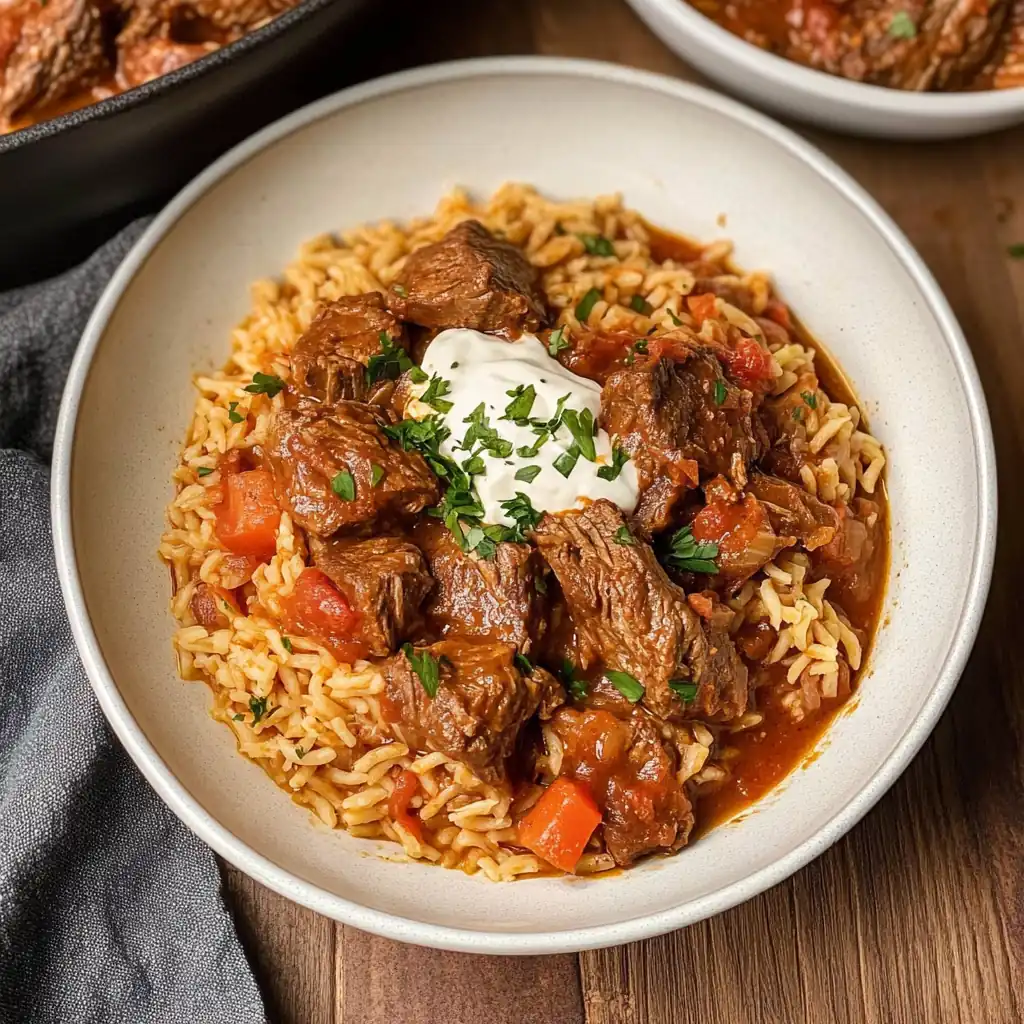
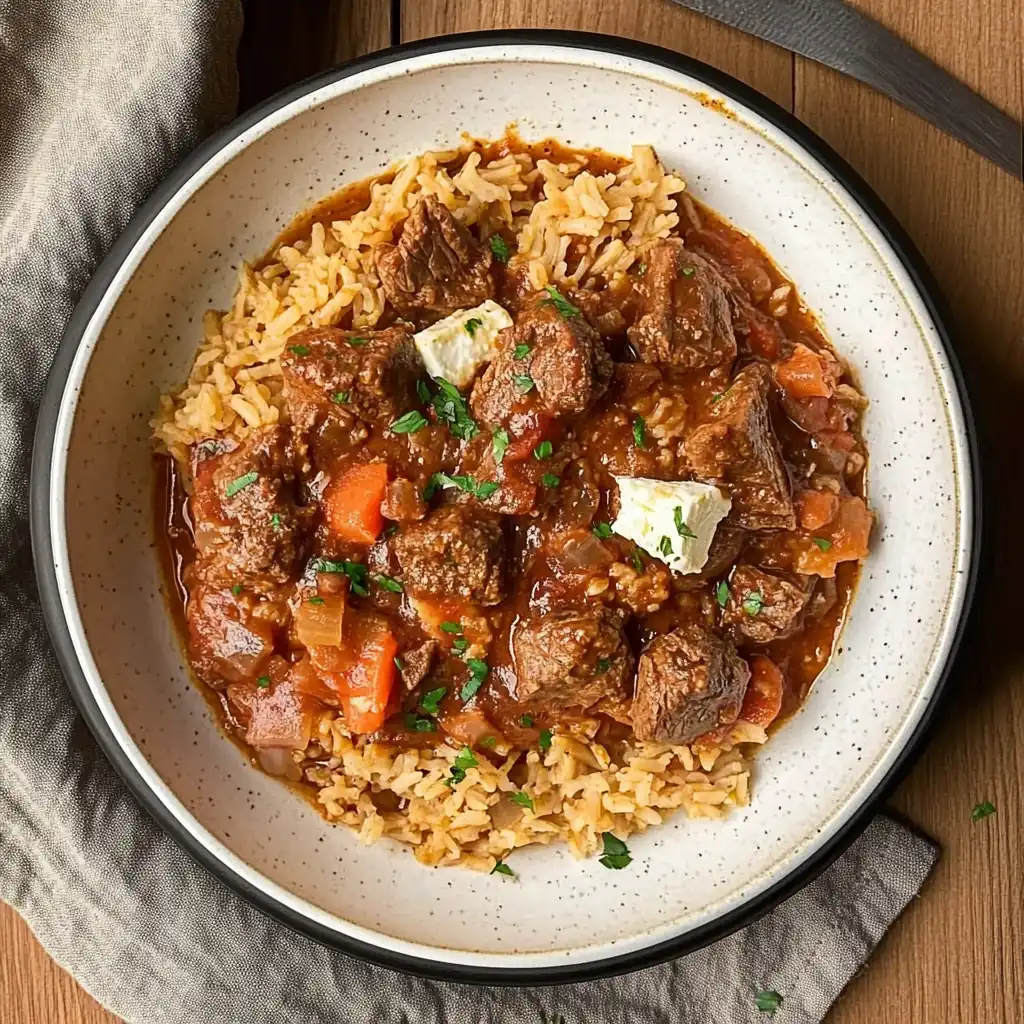
This dish is more than just a meal; it is a Greek tradition that transforms humble cuts of beef into a sophisticated symphony of cinnamon and tomato. The magic happens during the slow braise, where the collagen in the meat breaks down to thicken the sauce naturally, creating a velvety texture that clings to every single grain of pasta.
- ●The one-pot method simplifies cleanup while maximizing deep, savory flavors.
- ●Cinnamon adds a warm, aromatic complexity that distinguishes this from standard beef stews.
- ●Orzo acts as a natural thickener, absorbing the rich braising liquid.
- ●It is incredibly forgiving, making it perfect for beginners and experts alike.
- ●The flavors actually improve the next day, making it a champion for leftovers.
Essential Ingredients |
Beef Chuck: I always recommend well-marbled chuck from a local butcher for the best tenderness. Skipping this for a leaner cut will leave you with dry, tough meat that refuses to melt in your mouth.
Orzo Pasta: Use a high-quality bronze-cut orzo to ensure it holds its shape. If you omit this, you simply have a beef stew rather than the traditional Giouvetsi experience.
Tomato Paste: I prefer the double-concentrated tubes found in European markets. Skipping this means you lose the foundational richness and deep red color of the sauce.
Ground Cinnamon: Ensure yours is fresh and potent. Without cinnamon, the dish loses its signature Greek identity and tastes like a generic beef stew.
Beef Broth: Use a low-sodium organic stock to control the salt levels. Water can be used instead, but your flavor profile will be significantly thinner and less complex.
 Let’s Make it Together |
- First, get your beef chunks searing in a heavy pot with some oil until they develop a dark, crusty brown surface.
- Now, toss in your chopped onions and carrots, stirring them around until they soften and pick up those tasty brown bits from the bottom.
- Stir in the tomato paste and cinnamon, letting them toast for about a minute so the flavors bloom in the heat.
- Pour in your beef broth and a bit of crushed tomatoes, then cover the pot and let it simmer low and slow until the meat is fork-tender.
- Carefully stir in the dry orzo pasta, ensuring every grain is coated in the sauce before you let it simmer for another ten minutes.
- Turn off the heat and let it rest for five minutes, allowing the pasta to soak up the final bits of liquid for a perfect finish.
Never crowd the pan when browning the beef or the meat will steam instead of sear.
Searing the orzo slightly before adding liquid adds a nutty depth to the final dish.
Avoid boiling the stew on high heat once the pasta is added to prevent mushiness.
Always use a heavy-bottomed Dutch oven to ensure even heat distribution across the pot.
Fresh parsley added at the very end cuts through the richness of the beef.
Perfecting the Cooking Process |
The science of this stew relies on the Maillard reaction and the slow breakdown of connective tissue. You must maintain a gentle simmer, ideally between 180°F and 200°F, for at least two to three hours. If the temperature spikes too high, the muscle fibers tighten and squeeze out moisture, resulting in chewy beef rather than tender morsels.
The integration of the orzo is a critical timing window. Because orzo is small, it releases starch rapidly into the sauce. pasta directly in the beef reduction, you create a starch-thickened emulsion that gives the stew its signature creamy consistency without needing to add flour or cornstarch.
Add Your Touch |
For a Mediterranean twist, try adding a handful of Kalamata olives or a tablespoon of capers during the last ten minutes of cooking. The salty, briny punch of these ingredients cuts through the sweetness of the cinnamon and tomato beautifully.
If you prefer a different protein, lamb shoulder is a magnificent substitute that brings a gamier, richer flavor to the pot. Just keep the cooking time the same, as lamb shoulder requires the same low-and-slow approach to become tender.
Storing & Reheating |
Store the leftovers in an airtight container in the refrigerator for up to four days. Because the orzo continues to absorb liquid as it sits, you will notice the stew becomes much thicker over time.
When reheating, add a splash of beef broth or water before microwaving or heating on the stove. This loosens the sauce and restores the creamy texture without overcooking the pasta.
1Pat the meat completely dry with paper towels before searing to get a better crust.
2Use a pinch of baking soda in the beef marinade to tenderize tougher cuts.
3Deglaze your pan with a splash of red wine for an extra layer of acidity.
4Taste for salt only after the sauce has reduced to avoid over-seasoning.
5Squeeze a wedge of fresh lemon over the final plating to brighten the flavors.
FAQ |
- ●Q: Can I use a slow cooker for this recipe?
A: Yes, you can braise the beef in a slow cooker on low for 8 hours, but you must add the orzo during the final 30 to 45 minutes. Adding the pasta too early will result in a gummy, overcooked mess that ruins the texture of the dish. - ●Q: Why does my Giouvetsi taste too acidic?
A: This usually happens if the tomatoes are too tart or if the sauce hasn’t reduced enough. To fix this, stir in a tiny pinch of sugar or a small knob of butter at the end to balance the acidity and mellow the flavor. - ●Q: What is the best beef cut for this stew?
A: Beef chuck is the gold standard because its high collagen content creates a naturally thick sauce as it melts. If you cannot find chuck, a boneless beef roast or stew meat is acceptable, provided it has some visible fat marbling. - ●Q: Do I have to use orzo?
A: While you can use other small pastas like risoni, orzo is the traditional choice for its specific starch profile. If you use a larger pasta, the cooking times will change, and you may lose the cohesive, stew-like consistency that defines Giouvetsi.

Irresistible Giouvetsi Greek Beef Stew Recipe to Savor
- Prep Time: 20 minutes
- Cook Time: 3 hours
- Total Time: 3 hours 20 minutes
- Yield: 6 servings 1x
- Category: Dinner
- Method: Braising
- Cuisine: Greek
Description
A traditional Greek comfort dish featuring tender braised beef and orzo pasta in a rich, aromatic tomato and cinnamon sauce.
Ingredients
- 2 lbs beef chuck, cubed
- 1 cup orzo pasta
- 1 onion, diced
- 2 carrots, sliced
- 2 tbsp tomato paste
- 1 tsp ground cinnamon
- 4 cups beef broth
- 1 can (15oz) crushed tomatoes
- 2 tbsp olive oil
- Salt and black pepper to taste
- Fresh parsley for garnish
Instructions
- Brown beef chunks in olive oil over medium-high heat until seared.
- Add onions and carrots, sautéing until softened.
- Stir in tomato paste and cinnamon, cooking for 1-2 minutes.
- Add beef broth and crushed tomatoes; bring to a boil, then reduce to a low simmer.
- Cover and cook for 2-2.5 hours until beef is tender.
- Stir in dry orzo and simmer for another 10-12 minutes until pasta is cooked through.
- Remove from heat, let rest for 5 minutes, and garnish with parsley.